

How to Make Your Own Homemade Hand Sanitizer
As you know guys, the corona virus is sprending everywhere in the whole world. This Corona Virus is start from the China. After that this virus is effected the italy, japan, UK and USA. Now, this virus is spreading in india. There are many cases of Coronaviurs founded in India. 73 States of India is lockdown due to Corona Virus.
If you want to stop CoronaVirus then properly wash your hands is one of the best way to stop spreading of coronaVirus germs. This process is ensures, you that are not effected from coronavirus. If your are outside from your home and you don't have a soap or clean water to wash your hand, then you always must carry a sanitizer to protect your health from Coronaviurs.
As you know guys, the bottels of sanitizer is selling out very quckly during this period. but don't to worry - Today we will tells you that how to make homemade hand sanitizer with some easy simple steps. In this process of making homemade hand sanitizer you have to careful, don't mess it up anything. Before, start making home hand sanitizer please ensure that the required things you use for making homemade hand sanitizer are properly clean with soap, water or sanitizer. If you not clean the required things, then you could contaminate the whole things.
World Health Organization also recommeds, if somebody effected form coronavirus then letting your concoction sit for a minimum of 72 hours after you're done. That's the way, the sanitizer have the time to kill any bacteria that might have been introduced during making homemade hand sanitizer.
What ingredients do you need for make homemade hand sanitizer?
Making your own homemade hand sanitizer is easy to do and only requires a few ingredients:
- Isopropyl ro rubbing alcohol
- aloe vera gel
- an essential oil, such as tea tree oil or lavender oil, or you can use lemon juice instead
The key to making an effective, germ-busting hand sanitizer is to stick to a 2:1 proportion of alcohol to aloe vera. This keeps the alcohol content around 60 percent. This is the minimum amount needed to kill most germs, according to the CDC
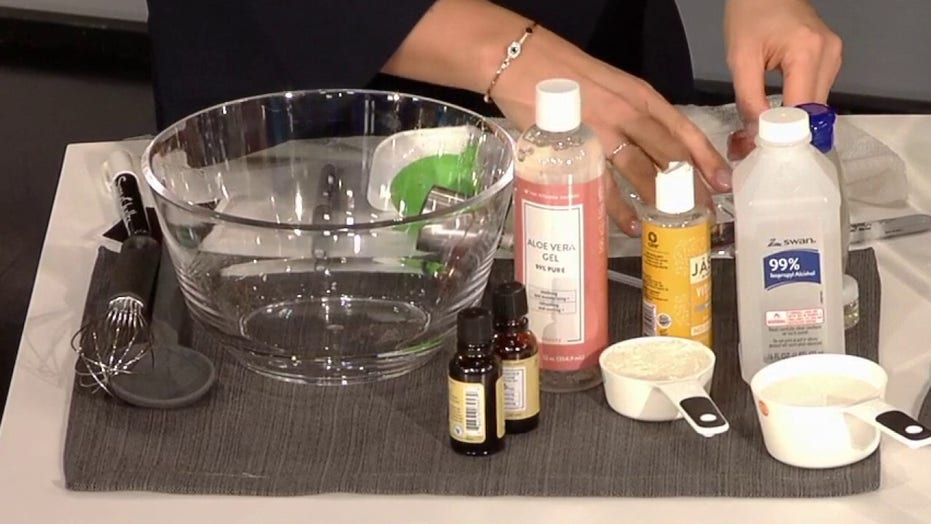
We actually have two recipes for you, and links to find the ingredients. The first is the one you can make with accessories that you are likely to already have under your cabinets and sink, so it is effective in emergency situations. The second recipe is more complex, but it is easier if you have the opportunity to do some shopping and plan ahead of time. Another note: Many of these items are quickly running out of stock due to high demand. You are more likely to find them at your local drug store, but staying indoors is your first priority.
Potency Matters
You will need some alcohol. According to the Centers for Disease Control and Prevention, your sanitizer mixture must contain at least 60 percent alcohol to be effective. But it is better to go above that - aim for a minimum of 75 percent. A bottle of 99 percent isopropyl alcohol is the best thing. Your regular vodka and whiskey are very weak and have not been cut.
- The Quick (Gel) Recipe
- Isopropyl alcohol (also here)
- Aloe Vera Gel (also here)
- Tea tree oil (also here)
The Better (Spray) Recipe
- Isopropyl alcohol (also here)
- Glycerol or glycerin
- hydrogen peroxide
- Distilled water
- Sprinkler bottle
The aloe mixture works, but aloe also leaves its skin irritating sticky. So, here is a recipe that is less viscous and more efficient based on the mixture suggested by WHO.
Mix 12 fluid ounces of alcohol with 2 tablespoons of glycerol. You can buy glycerol molasses online, and this is an important ingredient as it prevents the alcohol from drying out your hands. If you cannot find glycerol, proceed with the rest of the recipe and remember to moisturize your hands after applying the sanitizer.
Mix in 1 teaspoon of hydrogen peroxide, then 3 fluid ounces of distilled or boiled (then cooled) water. (If you are working with a low-concentration solution of rubbing alcohol, use less water; remember, your final mixture must contain at least a mixture of alcohol.)
Load the solution into the spray bottles - it is not a gel, it is a spray. You can moisten a paper towel with it and use it as a wipe.
If you want, you can add essential oil to your concoction and give it a good aroma. Just do not use lavender.
Homemade hand sanitizer - Is it safe?

DIY hand sanitizer recipes are all over the internet these days — but are they safe?
These recipes, including the ones above, are intended for use by professionals with both the expertise and resources to safely make homemade hand sanitizers. Homemade hand sanitizer is only recommended in extreme situations when you’re unable to wash your hands for the foreseeable future.
Improper ingredients or proportions can lead to:
- lack of efficacy, meaning that the sanitizer may not effectively eliminate risk of exposure to some or all microbes
- skin irritation, injury, or burns
- exposure to hazardous chemicals via inhalation
Homemade hand sanitizer is also not recommended for use with children. Children may be more prone to improper hand sanitizer usage, which could lead to greater risk for injury.
How to use homemade hand sanitizer
Two things to be aware of when using hand sanitizer is that you need to rub it into your skin until your hands are dry. And, if your hands are greasy or dirty, you should wash them first with soap and water.
With that in mind, here are some tips for using hand sanitizer effectively.
- Spray or apply the sanitizer to the palm of one hand.
- Thoroughly rub your hands together. Make sure you cover the entire surface of your hands and all your fingers.
- Continue rubbing for 30 to 60 seconds or until your hands are dry. It can take at least 60 seconds, and sometimes longer, for hand sanitizer to kill most germs.
What germs can hand sanitizer kill?
According to the CDC, an alcohol-based hand sanitizer that meets the alcohol volume requirement can quickly reduce the number of microbes on your hands. It can also help destroy a wide range of disease-causing agents or pathogens on your hands, including the novel coronavirus SARS-CoV-2.
However, even the best alcohol-based hand sanitizers have limitations and do not eliminate all types of germs.
According to the CDC, hand sanitizers won’t get rid of potentially harmful chemicals. It’s also not effective at killing the following germs:
- norovirus
- cryptosporidium (which causes cryptosporidiosis)
- clostridium difficile (also known as C. diff)
Also, a hand sanitizer may not work well if your hands are visibly dirty or greasy. This may happen after working with food, doing yard work, gardening, or playing a sport.
If your hands look dirty or slimy, opt for hand washing instead of a hand sanitizer.
Bottom Lines
Hand sanitizer is a handy on-the-go way to help prevent the spread of germs when soap and water isn’t available. Alcohol-based hand sanitizers can help keep you safe and reduce the spread of the novel coronavirus.
If you are having a hard time finding hand sanitizer at your local stores and handwashing isn’t available, you can take steps to make your own. You only need a few ingredients, such as rubbing alcohol, aloe vera gel, and an essential oil or lemon juice.
Although hand sanitizers can be an effective way of getting rid of germs, health authorities still recommend hand washing whenever possible to keep your hands free of disease-causing viruses and other germs.


0 Comments